Frequently Asked Questions
Can a monitor bin level indicator be automated?
Yes, monitor bin level indicators can be automated. These sensors can be integrated with control systems to automatically monitor and maintain material levels in storage bins or silos.
What is the purpose of a bin level monitor?
The purpose of a bin level monitor is to detect the level of dry bulk materials in storage bins or silos, helping to prevent overfilling and maintain optimal material levels.
What is a bin monitor level detector used for?
A bin monitor level detector is used to detect the level of dry bulk materials in storage bins or silos, helping to prevent overfilling and maintain proper material levels.
Is a rotary paddle level indicator suitable for dust explosion zones?
Rotary paddle level indicators can be suitable for dust explosion zones when equipped with an appropriate explosion-proof housing and certifications, ensuring safe operation in hazardous environments.
How is a rotary paddle level indicator installed?
Rotary paddle level indicators are typically installed by mounting the unit directly on the wall or roof of the storage vessel, with the paddle extending into the material to detect the level.
How do I choose the right bin level detector?
Choosing the right bin level detector depends on factors such as the type of material, storage environment, and required features like reliability and ease of installation.
What types of bins use level indicators?
Rotary paddle bin level indicators are commonly used in storage bins, silos, and hoppers containing dry bulk materials such as grains, powders, and other granular solids.
How accurate is a monitor bin level indicator?
The Monitor's KA/KAX rotary paddle bin level indicators are highly accurate, providing reliable and consistent level detection for dry bulk materials. These sensors are designed to precisely monitor material levels within storage bins and silos.
Can a rotary paddle level indicator be used for material flow detection?
Yes, a rotary paddle level indicator can be used for material flow detection. The rotating paddle is sensitive to the presence or absence of material, allowing it to detect changes in material flow.
What are the applications of a rotary paddle indicator?
Rotary paddle indicators are commonly used to monitor the level of dry bulk materials in storage silos, bins, and hoppers across various industries such as food processing, pharmaceuticals, and agriculture.
What is a rotary paddle bin level sensor?
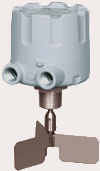
A rotary paddle bin level sensor is a device used to detect the level of dry bulk materials in a storage container or bin. It consists of a rotating paddle that monitors the material level and provides feedback on when the bin is full or empty.
How is a monitor bin level indicator installed?
The Monitor's KA/KAX rotary paddle bin level indicators are designed for easy installation. They can be mounted directly on the bin or silo, requiring minimal setup to monitor dry bulk material levels.
What is a monitor bin level indicator used for?
A monitor bin level indicator is used to detect the level of dry bulk materials in storage bins or silos, helping prevent overfilling and maintain proper material levels.
What are the benefits of using bin level detectors?
The benefits of using bin level detectors include reliable monitoring of dry bulk material levels, preventing bin overflow, and enabling efficient material management to maintain optimal storage levels.
How does a rotary paddle level indicator work?
A rotary paddle level indicator works by monitoring the rotation of a paddle that is partially submerged in the material being measured. As the material level changes, the paddle rotates, triggering an electrical signal to indicate the level.
What are the features of a rotary paddle level indicator?
The key features of a rotary paddle level indicator include reliable detection of dry bulk materials, versatility in various storage environments, easy installation, and minimal maintenance requirements.
What types of bin level detectors are available?
Various types of bin level detectors are available, including rotary paddle, capacitive, ultrasonic, and vibrating fork sensors, each with unique features and applications for monitoring dry bulk material levels in storage environments.
What is a smart bin level monitor indicator?
A smart bin level monitor indicator is a device that automatically tracks and reports the level of materials stored in a bin or container, providing real-time data to help prevent overfilling or running out of inventory.
What is the power requirement of a rotary paddle level sensor?
The power requirement of a rotary paddle level sensor is typically 24VDC or 115/230VAC, allowing for versatile installation and integration within various industrial applications.
What is the accuracy of bin level detectors?
The accuracy of bin level detectors can vary, with typical accuracy ranging from ±0.5% to ±2% of the full detection range, depending on the specific sensor model and application.
What materials are suitable for rotary paddle indicators?
Rotary paddle indicators are suitable for monitoring a wide range of dry bulk materials, including grains, powders, pellets, and granular solids, making them versatile for various storage and handling applications.
How do I maintain a bin level monitor?
Maintaining a bin level monitor involves regularly cleaning the sensor to prevent build-up, checking for wear or damage, and ensuring the unit is properly calibrated to provide accurate readings.
What are common issues with bin level detectors?
Common issues with bin level detectors include material buildup, mechanical wear, and environmental factors like temperature and vibration that can affect sensor performance and reliability over time.
How do different sensors compare for bin monitoring?
Different sensors for bin monitoring vary in their reliability, versatility, and ease of installation. Rotary paddle sensors like the Monitor's KA/KAX models offer reliable detection of dry bulk materials across a range of storage environments.
What is the lifespan of a rotary paddle sensor?
The lifespan of a rotary paddle sensor can vary depending on the application, but they are generally designed for long-term reliable operation, often lasting 10 years or more with proper installation and maintenance.
How sensitive are bin level monitors to dust?
The sensitivity of bin level monitors to dust can vary depending on the specific sensor technology used. Rotary paddle bin level indicators, such as the Monitor's KA/KAX models, are generally designed to be resistant to the buildup of dust and other dry materials, helping to ensure reliable performance in dusty environments.
What safety features are included in bin level indicators?
The bin level indicators typically include safety features such as intrinsically safe operation, IP66 dust and water ingress protection, and corrosion-resistant materials to ensure reliable and safe monitoring of dry bulk materials.
Can bin monitors detect multiple material types?
Bin monitors can detect multiple material types. The versatility of rotary paddle bin level indicators like the Monitor's KA/KAX models allows them to reliably monitor a wide range of dry bulk materials in various storage environments.
What installation tools are needed for rotary paddles?
The installation of rotary paddle level sensors typically requires basic tools such as a wrench, screwdriver, and drill. The specific tools needed may vary depending on the mounting requirements and configuration of the particular rotary paddle model.
How do calibrate a monitor bin level indicator?
Calibrating a Monitor bin level indicator involves adjusting the paddle's sensitivity to accurately detect the material level and prevent false signals. This can be done by following the manufacturer's guidelines on paddle positioning, sensitivity adjustment, and testing the indicator's functionality.