Industrial process equipment, parts, and consulting serving NC, SC, and VA.
Lee Process Equipment™ offers the highest quality equipment, engineering, and consulting services for your business needs.
Process equipment services & solutions:
We deliver top-tier engineered and technical solutions while building strong relationships with our customers and collaborating closely with them in your facilities.
We proudly represent manufacturers of equipment and systems that deliver exceptional material handling solutions, consistently adhering to the highest quality standards.
We offer the specific values and level indicators you need and we are dedicated to collaborating with you to identify the most effective solutions for your business challenges.
We handle every detail from start to finish, offering excellent service that makes the process easier for our customers. Our goal is to build lasting relationships that help us understand your unique needs.
ManufacturersWe Represent
Lee Process Equipment proudly partners with these process equipment manufacturers.
Akona Process Solutions
Four well-established companies – Spiroflow, Kason, Cablevey, and Marion – specializing in mixers, blenders, dryers, screeners, tubular drag conveyors, and bulk material handling systems.
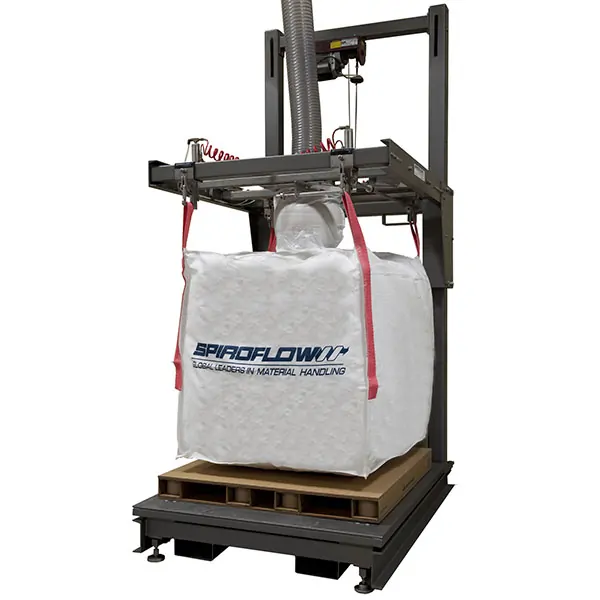
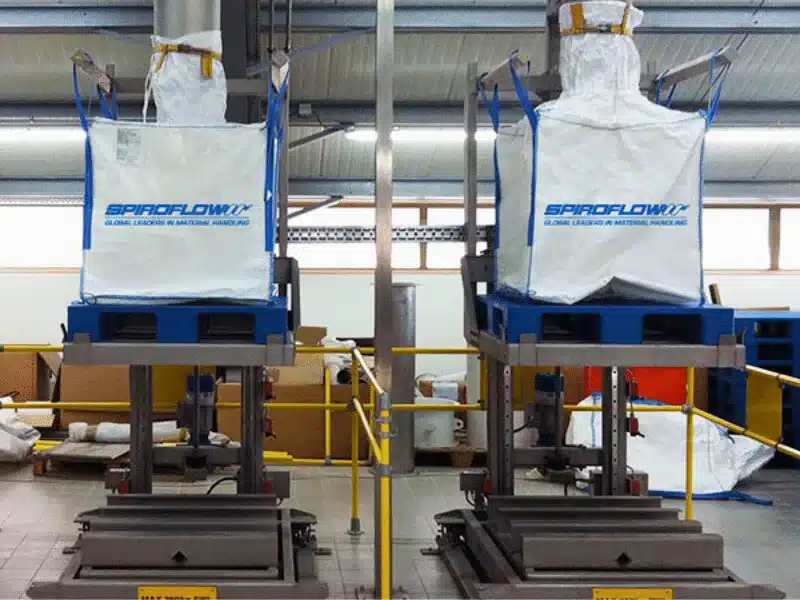
Spiroflow
Spiroflow’s Dynaflow® conveyors are structural mechanical drag chain conveyors operating within the confines of a pipe.
Cablevey
Cablevey has designed, engineered, and serviced its enclosed cable and disc tube conveyors for over 50 years with installations in over 65 countries.
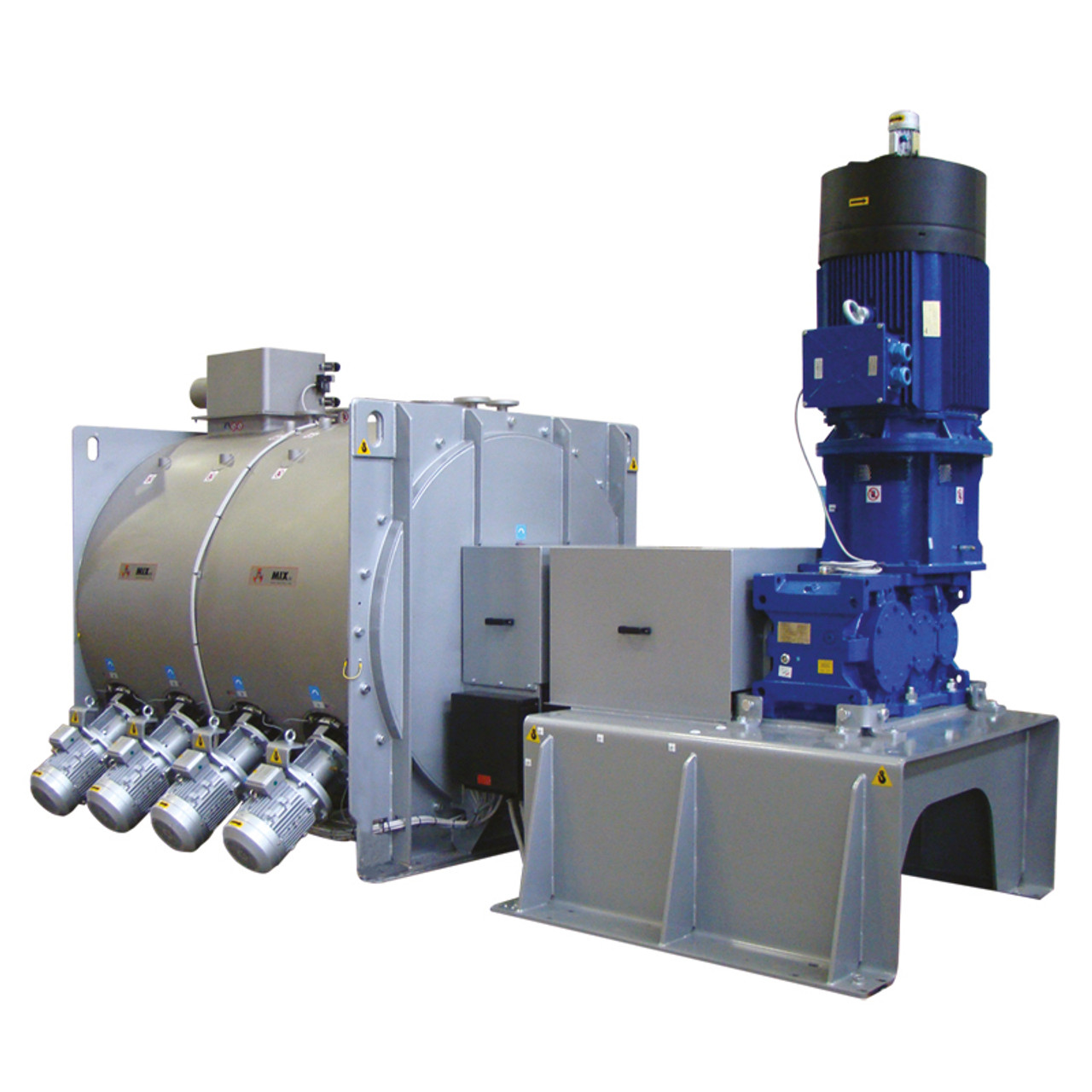
Marion
A leading global manufacturer of mixers, blenders, thermal processing equipment, and size reduction equipment, with more than 80 years of expertise.
Kason
Kason offers a wide selection of screening and processing equipment – from basic, off-the-shelf sifters and screeners to complete, built-to-spec high-capacity systems.
Monitor Technologies
Provides solutions for storage and processing of most powder and bulk solids as well as some liquids and slurries.
Lorenz
Provides couplings, diverter valves, slide gates or custom fabricated accessories for bulk handling, vacuum and pneumatic conveying systems.
ARL Products
BFM® fitting, with revolutionary, snap-in, flexible connectors and spigots. Also eliminates problems associated with traditional hose clamp systems.
Prater
All Prater equipment, parts and systems are designed and built to provide years of low-maintenance, reliable service.
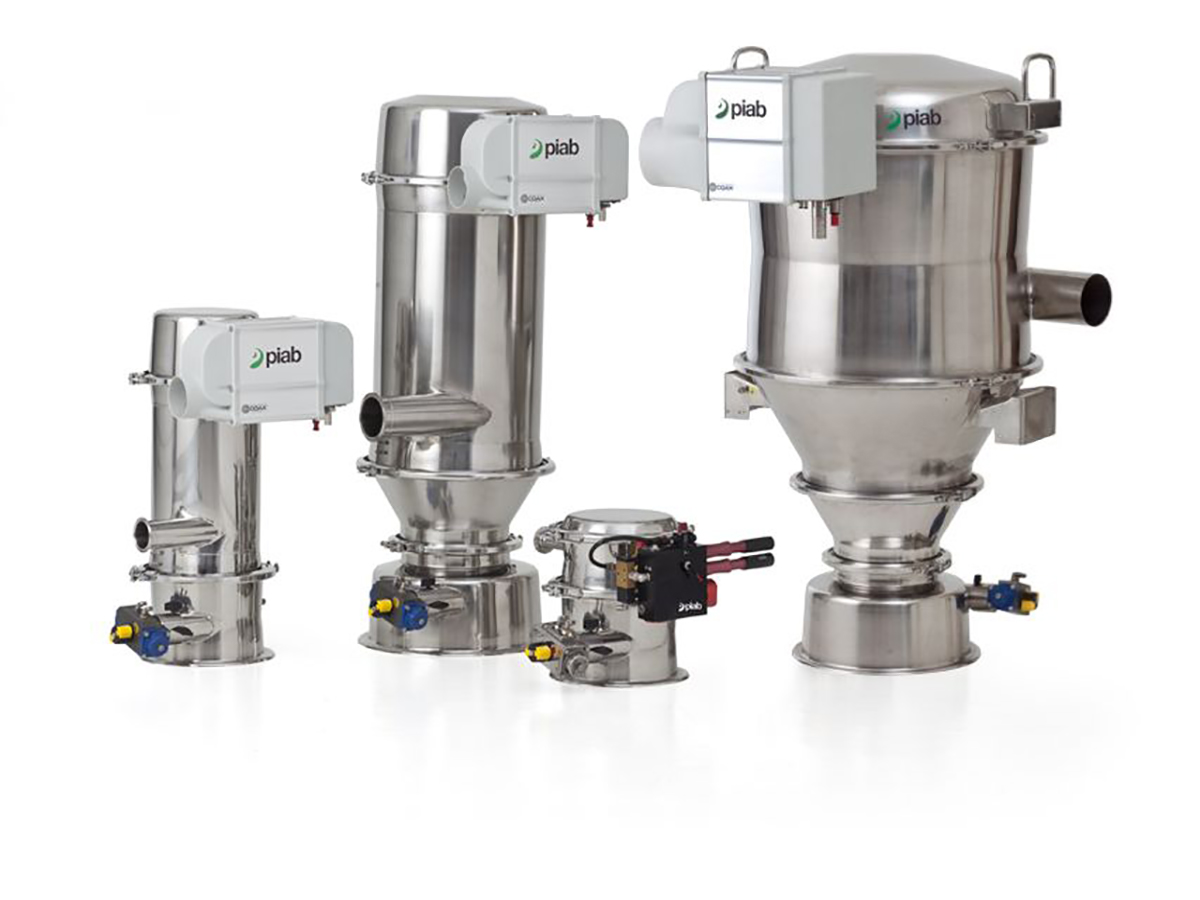
Piab
Perfect fit for transport of fragile materials, where the unique piGENTLE® functionality secures a smooth and stable product flow.
Tecweigh, Inc.
The Hard-Sided Volumetric Feeder provides a heavy-duty, stainless steel product contact surface, along with our patented cartridge drive bearing assembly.
Custom Advanced Connections
Provides high quality screens and separating products plus replacement screens that fit OEM products.
Gough Econ
Develops and designs state-of-the-art equipment systems for production efficiency. Also, these include everything from salt handling to live ammunition.
Readco Kurimoto
A global leader in innovative continuous processing solutions, with a complete line of high-performance mixers, reactors, and blenders used in various industries.
Choice Bagging Equipment
Manufacturer of high-quality manual and automated bagging machines.
What Lee Process EquipmentCustomers Say
My company has manufactured chemicals for the lawn and garden industry since 1949. Also, I recently did a major overhaul of our blending and bagging operation with the help of Lee Processing. Mathias oversaw the design and implementation of the equipment. Furthermore, he made sure everything was up to code and OSHA approved. Finally, Mathias was available at all times and went above and beyond what was required. I would highly recommend Lee Process Equipment to anyone looking to improve existing or adding new equipment for your manufacturing needs.
Jamie Brice
Tiger Products☆☆☆☆☆
We needed help remediating issues with equipment we had purchased through another company. We contacted Lee Process Equipment and Mathias went above and beyond to help us work through those issues. Since then, we have relied on Lee Process Equipment for several projects ranging from bulk bag unloading systems, specific components to already existing packaging systems, to a full railcar unloading system. Our business has greatly benefited working with LPE and I highly recommend them. You’d be hard pressed to find a better partner to help you with your processing needs!
Nick DiCarlo
Operations ManagerPax Industries☆☆☆☆☆
PGS USA LLC has partnered with Lee Process Equipment since 2019 and has been a critical part of our growth. The technical expertise in processing and automation has aided us in crafting cutting edge solutions that have changed industry standards. Mathias has always been readily available to propose process improvements and trouble shoot issues. His deep knowledge of industrial processes has often times been the key to solving complex issues that experts in their own areas were not able to by understanding how each step in a process correlates not only to the previous and next, but also its function as a part of the entire operation. Lee Process Equipment has been our preferred partner for multiple projects and remains to be a vital resource for our business.
Todd Sirmon
Chief Operating OfficerPGS USA LLC☆☆☆☆☆
Request your consultation now!
Contact Lee Process Equipment today to discuss your process equipment needs or problems.
pump, heat, machine, pressure, heat exchanger, valve, pipe, pressure vessel, steel, automation, metal, fluid, engine, mill, tank, electric heating, powder, equipment, filtration, energy, heat transfer, oven, boiler, liquid, heat treating, pulverizer, material handling, productivity, alfa laval, inventory, construction, alloy, stainless steel, oil refinery, metal fabrication, distillation, chemical reaction, welding, efficiency, chemical industry, inspection, storage tank, petrochemical, corrosion, water treatment, sensor, chemical plant, natural gas, vacuum, wire, membrane, innovation, transport, compressor, factory, chemical engineering, phase, carbon steel, instrumentation, system, slurry, metallurgy, cooling tower, electric generator, vacuum distillation, spray, solvent, convection, ceramic, volume, packaging, evaporator, chromatography, magnet, batch processing, pipeline, cell, fatigue, electrical engineering, consumption, dust, extrusion, specification, analytics, acid, viscosity, quality assurance, transmission, mineral, condenser, sewage treatment, manufacturing equipment, equipment design, process industry, process manufacturing, industrial process, industrial equipment, methanol, ingredient, fiberglass, sterilization, centrifuge
Frequently Asked Questions
What is the most common process equipment manufactured?
The most common process equipment manufactured by Lee Process Equipment are pumps, valves, and heat exchangers, which are essential components in various industrial processes.
What are the available materials used in equipment construction?
The available materials used in equipment construction include stainless steel, carbon steel, aluminum, and specialized alloys, each chosen for its specific properties and suitability for the intended application.
What are the benefits of using stainless steel process equipment parts?
The benefits of using stainless steel process equipment parts include superior corrosion resistance, durability, and ease of cleaning, making them suitable for a wide range of industrial applications.
What is the role of PLCs in process equipment manufacturing?
Programmable Logic Controllers (PLCs) play a crucial role in process equipment manufacturing by providing automated control, monitoring, and optimization of industrial processes, ensuring efficient and reliable operation.
Can the manufacturer customize equipment to meet specific needs?
Yes, the manufacturer can customize equipment to meet specific needs. They work closely with clients to understand their unique requirements and deliver tailored solutions to address their precise needs.
What are the process equipment parts prone to corrosion?
The process equipment parts prone to corrosion are those made of materials that are susceptible to chemical reactions, such as carbon steel, brass, and copper, which can be damaged by exposure to certain chemicals or environmental conditions.
How does the manufacturer ensure equipment compliance with regulations?
The manufacturer ensures equipment compliance with regulations by rigorously testing and certifying their products to meet all applicable industry standards and safety requirements.
How does automation impact process equipment manufacturing?
Automation in process equipment manufacturing improves efficiency, reduces errors, and increases production capacity, enabling manufacturers to deliver high-quality products more consistently and cost-effectively.
How does lean manufacturing impact process equipment manufacturing?
Lean manufacturing principles, such as waste reduction and process optimization, can significantly impact process equipment manufacturing by improving efficiency, reducing costs, and enhancing product quality.
What are the common materials used in process equipment parts?
The common materials used in process equipment parts include stainless steel, carbon steel, cast iron, aluminum, and various polymers, selected based on the specific application and operating conditions.
What are the functions of valves in process equipment systems?
The functions of valves in process equipment systems are to control, regulate, and isolate the flow of fluids, gases, or other materials within the system.
Can you refurbish old process equipment parts or replace them?
Lee Process Equipment can refurbish or replace old process equipment parts to extend their lifespan and ensure optimal performance for your industrial operations.
What is the warranty period for the equipment?
The warranty period for the equipment is 12 months from the date of purchase, covering any defects in materials or workmanship.
How do you inspect process equipment parts for damage or wear?
Inspecting process equipment parts for damage or wear involves a thorough visual examination, identifying any signs of deterioration, and measuring critical dimensions to ensure they meet specifications.
How do you maintain process equipment parts in harsh environments?
Maintaining process equipment parts in harsh environments requires regular inspections, corrosion-resistant coatings, and proper lubrication to ensure optimal performance and extended lifespan.
What is the production capacity of the manufacturer?
The production capacity of the manufacturer is tailored to meet the specific needs of each client's project requirements.
What are the quality control measures in process equipment manufacturing?
The quality control measures in process equipment manufacturing include rigorous testing, inspection, and adherence to industry standards to ensure the equipment's reliability, safety, and performance.
What materials are used in process equipment manufacturing?
The materials used in process equipment manufacturing typically include stainless steel, carbon steel, aluminum, and specialized alloys, selected based on the specific requirements of the industrial process.
What are the benefits of custom process equipment manufacturing?
The benefits of custom process equipment manufacturing include tailored solutions, improved efficiency, and enhanced performance for specific industrial needs and applications.
What types of process equipment are available?
Lee Process Equipment offers a wide range of industrial process equipment, including pumps, valves, filters, mixers, and other specialized machinery to meet the specific needs of clients across various industries.
How can I select the right process equipment?
Selecting the right process equipment involves considering factors such as production capacity, efficiency, maintenance requirements, and compatibility with your specific industrial needs.
What are key features of high-quality process equipment?
Key features of high-quality process equipment include durability, energy efficiency, precision, and customization to meet specific industry needs, ensuring reliable and optimized performance for industrial applications.
How are process equipment parts tested for durability?
Process equipment parts are rigorously tested for durability through a series of comprehensive stress tests, simulating real-world operating conditions to ensure their reliability and longevity.
What industry standards apply to process equipment manufacturing?
The industry standards that apply to process equipment manufacturing typically include safety regulations, material specifications, and quality control protocols to ensure the safety, reliability, and performance of the equipment.
How does temperature affect process equipment performance?
Temperature can significantly impact the performance of process equipment, as it can affect material properties, process efficiency, and equipment lifespan. The appropriate temperature management is crucial for maintaining optimal process performance.
What safety measures are essential in process equipment design?
Essential safety measures in process equipment design include incorporating fail-safe mechanisms, robust construction, comprehensive safety guarding, and adherence to industry standards and regulations to ensure the protection of personnel and assets.
How can I improve process equipment efficiency?
Improving process equipment efficiency can be achieved through regular maintenance, upgrading to energy-efficient models, and optimizing operational parameters to match production requirements.
What are common failures in process equipment?
Common failures in process equipment can include wear and tear, corrosion, improper maintenance, and mechanical breakdowns, which can lead to reduced efficiency, increased downtime, and higher operational costs.
How often should process equipment be serviced?
The frequency of process equipment servicing depends on factors such as usage, operating conditions, and manufacturer recommendations, typically ranging from monthly to annual maintenance schedules to ensure optimal performance and prevent unexpected downtime.
What innovations are changing process equipment manufacturing?
The innovations changing process equipment manufacturing include advancements in automation, IoT integration, and data-driven optimization, enabling improved efficiency, quality control, and customization for client needs.
process equipment manufacturer, process equipment parts, process equipment manufacturing, process equipment components, lee process equipment, lees processing, lee equipment company, lee equipment co, lee processing, lee equipment services, lee equipment, lee industries process equipment
pump, heat, machine, pressure, heat exchanger, valve, pipe, pressure vessel, steel, automation, metal, fluid, engine, mill, tank, electric heating, powder, equipment, filtration, energy, heat transfer, oven, boiler, liquid, heat treating, pulverizer, material handling, productivity, alfa laval, inventory, construction, alloy, stainless steel, oil refinery, metal fabrication, distillation, chemical reaction, welding, efficiency, chemical industry, inspection, storage tank, petrochemical, corrosion, water treatment, sensor, chemical plant, natural gas, vacuum, wire, membrane, innovation, transport, compressor, factory, chemical engineering, phase, carbon steel, instrumentation, system, slurry, metallurgy, cooling tower, electric generator, vacuum distillation, spray, solvent, convection, ceramic, volume, packaging, evaporator, chromatography, magnet, batch processing, pipeline, cell, fatigue, electrical engineering, consumption, dust, extrusion, specification, analytics, acid, viscosity, quality assurance, transmission, mineral, condenser, sewage treatment, manufacturing equipment, equipment design, process industry, process manufacturing, industrial process, industrial equipment, methanol, ingredient, fiberglass, sterilization, centrifuge
Frequently Asked Questions
What is the most common process equipment manufactured?
The most common process equipment manufactured by Lee Process Equipment are pumps, valves, and heat exchangers, which are essential components in various industrial processes.
What are the available materials used in equipment construction?
The available materials used in equipment construction include stainless steel, carbon steel, aluminum, and specialized alloys, each chosen for its specific properties and suitability for the intended application.
What are the benefits of using stainless steel process equipment parts?
The benefits of using stainless steel process equipment parts include superior corrosion resistance, durability, and ease of cleaning, making them suitable for a wide range of industrial applications.
What is the role of PLCs in process equipment manufacturing?
Programmable Logic Controllers (PLCs) play a crucial role in process equipment manufacturing by providing automated control, monitoring, and optimization of industrial processes, ensuring efficient and reliable operation.
Can the manufacturer customize equipment to meet specific needs?
Yes, the manufacturer can customize equipment to meet specific needs. They work closely with clients to understand their unique requirements and deliver tailored solutions to address their precise needs.
What are the process equipment parts prone to corrosion?
The process equipment parts prone to corrosion are those made of materials that are susceptible to chemical reactions, such as carbon steel, brass, and copper, which can be damaged by exposure to certain chemicals or environmental conditions.
How does the manufacturer ensure equipment compliance with regulations?
The manufacturer ensures equipment compliance with regulations by rigorously testing and certifying their products to meet all applicable industry standards and safety requirements.
How does automation impact process equipment manufacturing?
Automation in process equipment manufacturing improves efficiency, reduces errors, and increases production capacity, enabling manufacturers to deliver high-quality products more consistently and cost-effectively.
How does lean manufacturing impact process equipment manufacturing?
Lean manufacturing principles, such as waste reduction and process optimization, can significantly impact process equipment manufacturing by improving efficiency, reducing costs, and enhancing product quality.
What are the common materials used in process equipment parts?
The common materials used in process equipment parts include stainless steel, carbon steel, cast iron, aluminum, and various polymers, selected based on the specific application and operating conditions.
What are the functions of valves in process equipment systems?
The functions of valves in process equipment systems are to control, regulate, and isolate the flow of fluids, gases, or other materials within the system.
Can you refurbish old process equipment parts or replace them?
Lee Process Equipment can refurbish or replace old process equipment parts to extend their lifespan and ensure optimal performance for your industrial operations.
What is the warranty period for the equipment?
The warranty period for the equipment is 12 months from the date of purchase, covering any defects in materials or workmanship.
How do you inspect process equipment parts for damage or wear?
Inspecting process equipment parts for damage or wear involves a thorough visual examination, identifying any signs of deterioration, and measuring critical dimensions to ensure they meet specifications.
How do you maintain process equipment parts in harsh environments?
Maintaining process equipment parts in harsh environments requires regular inspections, corrosion-resistant coatings, and proper lubrication to ensure optimal performance and extended lifespan.
What is the production capacity of the manufacturer?
The production capacity of the manufacturer is tailored to meet the specific needs of each client's project requirements.
What are the quality control measures in process equipment manufacturing?
The quality control measures in process equipment manufacturing include rigorous testing, inspection, and adherence to industry standards to ensure the equipment's reliability, safety, and performance.
What materials are used in process equipment manufacturing?
The materials used in process equipment manufacturing typically include stainless steel, carbon steel, aluminum, and specialized alloys, selected based on the specific requirements of the industrial process.
What are the benefits of custom process equipment manufacturing?
The benefits of custom process equipment manufacturing include tailored solutions, improved efficiency, and enhanced performance for specific industrial needs and applications.
What types of process equipment are available?
Lee Process Equipment offers a wide range of industrial process equipment, including pumps, valves, filters, mixers, and other specialized machinery to meet the specific needs of clients across various industries.
How can I select the right process equipment?
Selecting the right process equipment involves considering factors such as production capacity, efficiency, maintenance requirements, and compatibility with your specific industrial needs.
What are key features of high-quality process equipment?
Key features of high-quality process equipment include durability, energy efficiency, precision, and customization to meet specific industry needs, ensuring reliable and optimized performance for industrial applications.
How are process equipment parts tested for durability?
Process equipment parts are rigorously tested for durability through a series of comprehensive stress tests, simulating real-world operating conditions to ensure their reliability and longevity.
What industry standards apply to process equipment manufacturing?
The industry standards that apply to process equipment manufacturing typically include safety regulations, material specifications, and quality control protocols to ensure the safety, reliability, and performance of the equipment.
How does temperature affect process equipment performance?
Temperature can significantly impact the performance of process equipment, as it can affect material properties, process efficiency, and equipment lifespan. The appropriate temperature management is crucial for maintaining optimal process performance.
What safety measures are essential in process equipment design?
Essential safety measures in process equipment design include incorporating fail-safe mechanisms, robust construction, comprehensive safety guarding, and adherence to industry standards and regulations to ensure the protection of personnel and assets.
How can I improve process equipment efficiency?
Improving process equipment efficiency can be achieved through regular maintenance, upgrading to energy-efficient models, and optimizing operational parameters to match production requirements.
What are common failures in process equipment?
Common failures in process equipment can include wear and tear, corrosion, improper maintenance, and mechanical breakdowns, which can lead to reduced efficiency, increased downtime, and higher operational costs.
How often should process equipment be serviced?
The frequency of process equipment servicing depends on factors such as usage, operating conditions, and manufacturer recommendations, typically ranging from monthly to annual maintenance schedules to ensure optimal performance and prevent unexpected downtime.
What innovations are changing process equipment manufacturing?
The innovations changing process equipment manufacturing include advancements in automation, IoT integration, and data-driven optimization, enabling improved efficiency, quality control, and customization for client needs.
process equipment manufacturer, process equipment parts, process equipment manufacturing, process equipment components, lee process equipment, lees processing, lee equipment company, lee equipment co, lee processing, lee equipment services, lee equipment, lee industries process equipment